Epoxy stands as a favoured flooring solution for garages because it provides a neat appearance along with enduring properties, combined with minimal maintenance requirements. Many garage owners wonder if they can use epoxy on flooring that has old age damage, alongside crack formation, or oil stains. Yes, you can use garage floor epoxy on an existing old garage floor.

What’s Hiding Beneath?
Begin the epoxy work after thoroughly examining your garage floor. You need to inspect the floor to determine if it has surface dust as well as significant cracks and missing material. The floor features either a plain concrete surface or contains both sealant and paint layers.
The epoxy requires a fresh concrete surface to adhere, as it cannot bond properly through paint or sealer layers. Repairing crumbling concrete, along with addressing large cracks, must happen before applying epoxy. Even though epoxy remains durable, it cannot repair structurally unsound floors.
Clean Like You Mean It
A spotless surface constitutes the main requirement for achieving epoxy success. The floor requires a thorough cleansing operation that must eliminate both fine debris and oil and grease. Oil stains are common on most aged garage floors, particularly in areas beneath vehicle parking.
A potent degreaser, combined with a possible grinder, will serve to achieve a thorough floor cleaning. Failure to complete this step could result in later epoxy peeling or bubbling on the floor surface. The application of anything needs a dry floor after pressure washing the surface.
Repair Before You Roll
Large cracks, holes, or uneven patches on your garage floor epoxy should be repaired immediately. Repair damaged sections using a concrete repair substance and level out. Epoxy doesn’t cover up imperfections; in turn, it draws attention to them. A perfectly level surface will yield the super-shiny and glossy key image that virtually every person looking for a metal epoxy ground achieves. Don’t cut corners here – your epoxy will only perform as well as its bonded surface.
Time to Etch or Grind
Used garage floors often develop a shiny, hard layer, referred to as a “concrete glaze,” to which epoxy tends not to adhere. Rough it up by either using a concrete etching solution (acid-based) or a grinder. Etching generates small grooves into the surface, providing the epoxy with a foothold to adhere to. The grinding is more labour-intensive and yields better results, especially for very old or painted floors. Consider this the equivalent of sanding wood before painting—it’s all about scratching the surface (coating) to get a grip.
Let the Epoxy Magic Begin
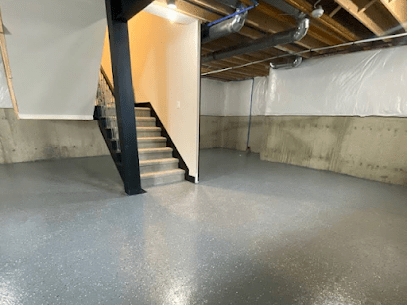
After your floor is clean, repaired and properly etched or ground, you are now ready to apply the epoxy. Follow the complete instructions as directed, provided you have the correct temperature and acceptable ventilation. Most kits contain a base coat and topcoat, although many also include non-slip decorative flakes for added grip and texture. After it cures (24–72 hours), it will become a wonderful and hard-wearing floor that can withstand everything from car tires to falling tools.
Conclusion
Garage floor epoxy over an existing old garage floor is certainly doable, and totally worth it if you’re willing to prep the surface properly. The outcome is a bright, tough, cleanable floor that can last for a long time. Just remember, the more preparation involved, the stronger it will pay off.


 Greenside Epoxy Floor Coatings